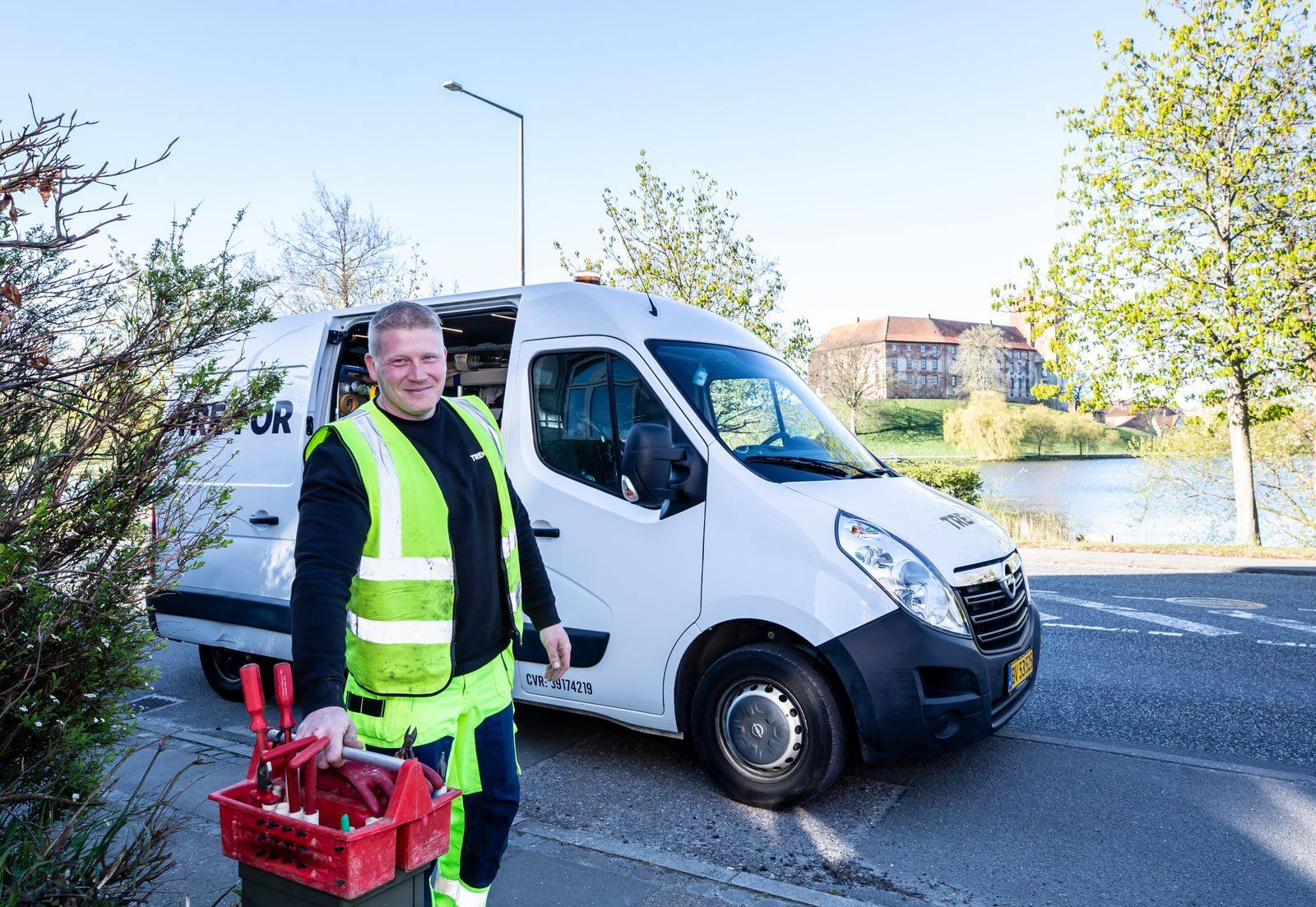
Not every water heater problem is an emergency, but the ones that are get more expensive with every minute. The most common one is a ruptured tank. Because the cold inlet keeps feeding a failed tank, the leak does not end when the heater is empty; it often keeps running until someone closes a valve, soaking subfloors, carpet, and ceilings below. Other urgent signs include a relief valve that is spraying or discharging repeatedly, which means the tank is running too hot or at too much pressure, a sudden jump to scalding water at the tap, and a rotten-egg odor near a gas unit. For homeowners in Iowa City, IA, any of these is worth a call right now rather than a wait-and-see approach.
Here is the order that keeps people safe. Gas comes first. If there is any smell of gas, get everyone out, leave light switches and outlets alone, and call the gas utility or 911 once you are outside; a water heater repair can wait until they clear the area. Next, the water. Turn the cold-water valve above the heater clockwise until it stops, or close the home's main shutoff if that valve refuses to turn. Third, energy. Set a gas control to OFF, or kill the breaker on an electric model, but only if you can reach the panel without standing in water. A relief valve that is releasing water must never be blocked. With the heater isolated, call (319) 422-8381 and describe what you see.
Our part of the job begins the moment you call (319) 422-8381. Whoever answers walks you through isolating the heater, confirms the leak has actually stopped, and gives you a realistic window for a technician rather than a number that sounds good. Once we arrive, safety checks come first: water, gas or power, and venting. Then we diagnose. A failed relief valve, a leaking drain valve, a corroded supply fitting, or a burned-out element can typically be swapped before we leave because those parts ride on the truck. If the tank has rusted through, no repair will hold, and we tell you so plainly before walking through replacement choices. Families throughout Iowa City call us for exactly these moments.
Most of our service calls are for Water Heater Repair in Iowa City. That's the place to start for most homes.
How to Tell Something Is Wrong
Catching a symptom early is often the difference between a quick part swap and a tank that gives out on the garage floor. If any of the following sound familiar, it's worth having the unit checked:
- Scorch marks, soot, or flames rolling out near the burner access on a gas unit
- A heater breaker that will not stay on after being reset
- The relief valve on the side of the tank dripping, hissing, or discharging
- No hot water at all, even after waiting for the tank to recover
- Any gas odor around the heater, which means getting out and calling the gas company before calling us
- Tap water hot enough to burn, even at the usual setting
- Sudden loud knocking or boiling sounds coming from inside the tank
- A puddle under the tank that keeps growing
A Slow Leak Never Stays Slow
Left alone, even minor symptoms like rumbling or temperatures that swing from hot to warm tend to mean the heater is working its way toward a breakdown. Call Iowa City Water Heater at (319) 422-8381 at the first sign of trouble.
Talk to Us About Emergency Water Heater Repair
Call Iowa City Water Heater for fast, reliable service.
Get Help: (319) 422-8381What Homeowners Ask Us Most
The Benefits of Professional Emergency Water Heater Repair
Emergency calls bring together electricity, gas, heat, pressure, and water, which is exactly the mix that makes do-it-yourself work risky. An electric heater sits on a 240-volt circuit that should never be handled while standing in water. A gas heater has fuel piping, a burner, and a vent that can spill combustion gases if something is out of place. The tank itself holds scalding water under pressure, and a discharging relief valve is signaling an unsafe condition that must be solved, not silenced. Blocking the discharge pipe, relighting next to a gas odor, or forcing a rusted connection are mistakes we see far too often.
Professional help is not just about having wrenches. It is about knowing why the failure happened so it does not repeat a few weeks later. When a relief valve discharges, we measure static water pressure and check whether an expansion tank is missing or waterlogged. When a tank floods the floor, we locate the true source, whether it is the valve, a fitting, a connector, or the tank wall. When a gas heater dies, we check the thermocouple or flame sensor, gas pressure, and venting before restarting it. The diagnosis determines everything that follows. Components can be replaced the same visit; a failed tank cannot be patched, and we say so plainly and explain the replacement path.
From Your Call to Hot Water
We follow the same careful process on every water heater, whether it's a quick thermostat swap or a full tankless conversion. Here's how we handle emergency water heater repair from start to finish:
Safety Call & Shutoff Guidance
On the call, we check for any gas odor first, then guide you to the cold-water valve and the heater's gas control or breaker so the damage stops growing while help is on the way.
Arrival & Stabilization
We send a technician with a stocked truck and give you a realistic time frame. The first job on arrival is confirming the heater is isolated and the area is safe to work in.
Repair or Honest Replacement
If a component failed, we replace it right there. If the tank itself is leaking, we show you why a patch will not hold and walk you through replacement options and pricing.
Safe Restart
We refill the tank, purge air from the lines, restart the heater, check every joint for leaks, confirm the relief valve seats, and set the temperature to a safe 120F.
Questions About Emergency Water Heater Repair?
Tell us the age, fuel type, and symptoms, and we'll help you sort out the next step.
Call (319) 422-8381 NowTips to Keep Your Water Heater Healthy
A little routine care goes a long way toward keeping a water heater running well past its expected lifespan. Here are our recommendations:
- Flush sediment from the tank yearly, since buildup overheats the bottom and speeds corrosion
- Ask about a drain pan and drain line, especially for heaters in attics, closets, or above finished rooms
- Lift the relief valve lever once a year to confirm it opens and reseats, and call if it keeps dripping
- Tag the water heater supply valve and the main shutoff so nobody has to search during a leak
- Keep the thermostat near 120F to limit scalding and reduce strain on the tank
- Add a battery leak alarm or an automatic shutoff valve that closes the supply when it senses water
- Leave clear space around a gas heater and never store flammable liquids nearby
DIY vs. Professional Emergency Water Heater Repair
Some simple checks are fine to do yourself, but most water heater repairs benefit from professional tools, training, and experience. A side-by-side look:
| Factor | DIY Attempt | Hiring a Pro |
|---|---|---|
| Gas Odor | Lingering near a possible leak | Leak detector and soap test after the area is cleared |
| Stopping the Leak | Hunting for shutoffs while water spreads | Water stopped and drain-down done properly |
| Relief Valve | Valve capped or plugged, a dangerous move | Root cause measured and corrected |
| Electrical Hazard | Resetting breakers while the floor is wet | Breaker isolated and wiring checked first |
| Diagnosis | Replacing parts until the leak stops | Tested, not guessed |
| Outcome | Fix that may not hold overnight | Safe restart, verified dry and working |
Get Emergency Water Heater Repair Help Today
Cold showers and damp floors don't get better on their own. Iowa City Water Heater can have a technician headed your way soon.
Call (319) 422-8381 NowEmergency Water Heater Repair Near Iowa City
Our technicians handle emergency water heater repair throughout Iowa City and the surrounding communities, with the same upfront pricing everywhere we work.